
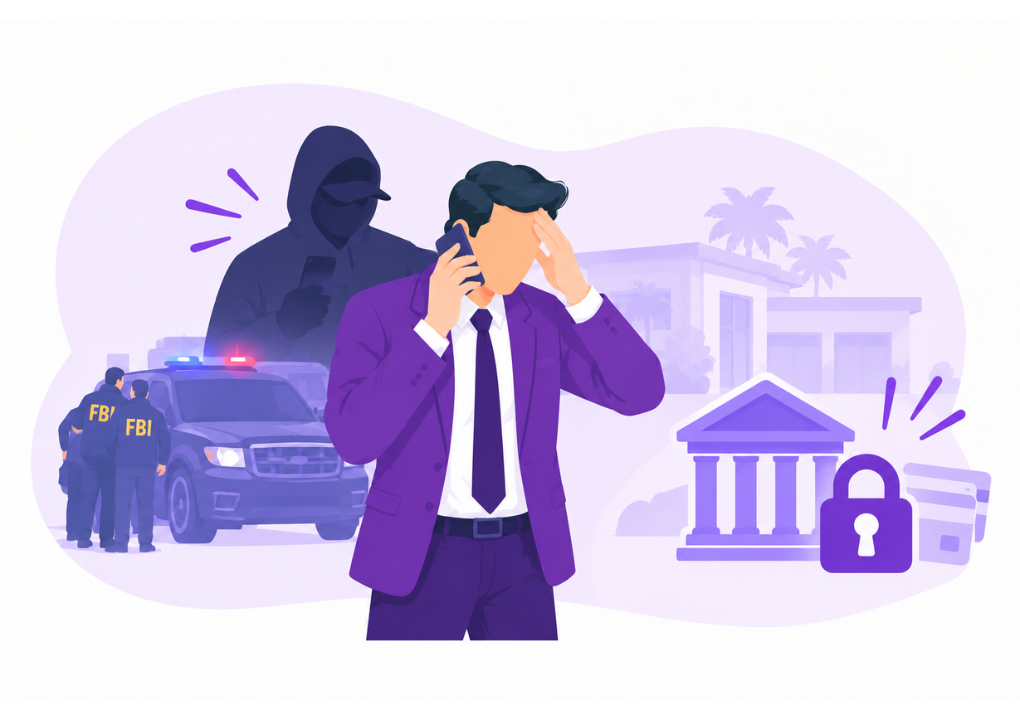
A Routine Assignment Takes a Dangerous Turn
Ken Childs, a private investigator at Paramount Investigative Services Inc., had handled plenty of complicated cases. But one assignment involving a stolen laptop would take him into territory he never expected.
The client, Adam Iza—who became known in the media as the “Crypto Godfather”—appeared credible. He had significant wealth, an impressive home in Beverly Hills, and connections to law enforcement. On the surface, there were reasons to believe this was a legitimate client with a legitimate problem.
Ken was hired to conduct surveillance on a person believed to have a laptop containing valuable cryptocurrency-related information. The job initially sounded like the kind of investigative work he knew how to handle.
Then the requests began to change.
At one point, the client asked Ken to rob someone. Ken refused. He was a private investigator, not someone who would cross that line for a client. But the situation continued to escalate, and another person associated with the client eventually became involved in taking the laptop.
What had started as surveillance was becoming something much more serious.
When Saying No Doesn’t End the Problem
Refusing to participate in illegal activity should have been the end of the matter. Instead, Ken found himself caught up in a chain of events that became increasingly frightening.
The situation surrounding the laptop escalated into a home invasion and gunfire. The case attracted national media attention, and Ken’s professional relationship with the client deteriorated further. Payments became a problem, and a dispute over money developed into a lawsuit and what Ken described as a campaign of harassment.
The consequences weren’t limited to his professional life.
Spoofed phone calls made Ken’s in-laws believe their daughter was in danger. In another incident, sheriff’s deputies arrived at a location with their guns drawn after receiving alarming information connected to the situation.
For Ken, this was no longer simply a difficult client or a project gone wrong. His family, his reputation, and his personal safety were all being pulled into the fallout.
The experience illustrates a difficult reality for service providers: even when you refuse to cross an ethical or legal boundary, you may not be able to control what a client does next—or how that client reacts to being told no.
The Business Consequences Can Be Just as Severe
The threats and intimidation were only part of the nightmare. The financial fallout created another crisis.
According to Ken, the client reversed credit card payments and made allegations to banks that resulted in his personal and business accounts at Wells Fargo being frozen. Suddenly, money he depended on to run his business and cover ordinary expenses was inaccessible.
It was a reminder that getting paid isn’t always the end of the financial risk. Payment disputes, chargebacks, and banking restrictions can leave a business owner vulnerable even after work has been performed.
Ken shared several practical lessons from the experience. He emphasized the importance of collecting retainers and not allowing unpaid balances to grow. He also discussed his preference for payment methods and the risks he associates with accepting certain kinds of credit card payments.
No payment method or contract can eliminate every risk. But clear payment terms, consistent collection practices, and a willingness to stop work when a client fails to pay can help prevent a bad business relationship from becoming an even bigger financial problem.
Don’t Let a Client’s Status Blind You to Red Flags
One of the most important lessons in Ken’s story is how easily apparent credibility can influence a business decision.
Wealth, an impressive lifestyle, and powerful connections can make a client seem trustworthy. But none of those things guarantees that the person will behave ethically—or treat the people working for them with respect.
In this case, the client’s apparent resources and connections initially helped make the engagement look legitimate. Yet the relationship eventually involved requests that Ken could not ethically accept, escalating conflict, and serious consequences.
The moment a client asks you to do something illegal, the situation has changed. It is no longer a matter of negotiating scope, managing expectations, or trying to keep a difficult customer happy. It is a fundamental boundary.
Ken’s experience underscores the importance of taking those moments seriously. A professional relationship should never require you to compromise your integrity just to preserve the contract or the revenue.
And when the warning signs appear, it is worth asking whether the money is worth the risk.
Protect Your Business—and Your Life Outside It
Ken’s experience also highlights the value of practical safeguards. He recommends keeping business and personal finances protected and avoiding overreliance on a single bank. When an institution freezes access to funds, having another financial option may help you keep essential expenses covered.
But preparation has its limits. Contracts, payment policies, and business procedures are important; they simply cannot guarantee protection from someone determined to cause harm.
That is why Ken’s most fundamental lesson is about judgment. If a client asks you to cross a legal line, take that warning seriously. If payments stop, don’t let the balance spiral. If a relationship begins to feel dangerous, don’t assume that you can fix it by being more accommodating.
You cannot control another person’s behavior. You can control the boundaries you set, the risks you accept, and how quickly you act when the situation changes.
Ken’s story is an extreme example, but the underlying lesson applies to businesses of every size: a client relationship is never worth sacrificing your safety, your integrity, or your ability to protect the people who depend on you.
