
The Business Partnership That Started With the Wrong Foundation
When Eric Gee started an education company with a friend, the partnership seemed natural. They were young, ambitious, and trusted each other. Eric had years of experience working with children through coaching, volunteering, and teaching. His partner, meanwhile, came from a completely different professional background: he owned a massage business.
That difference didn’t seem like a problem at first. Eric handled the educational side of the company, while his partner could help with administrative work and meeting with parents and students.
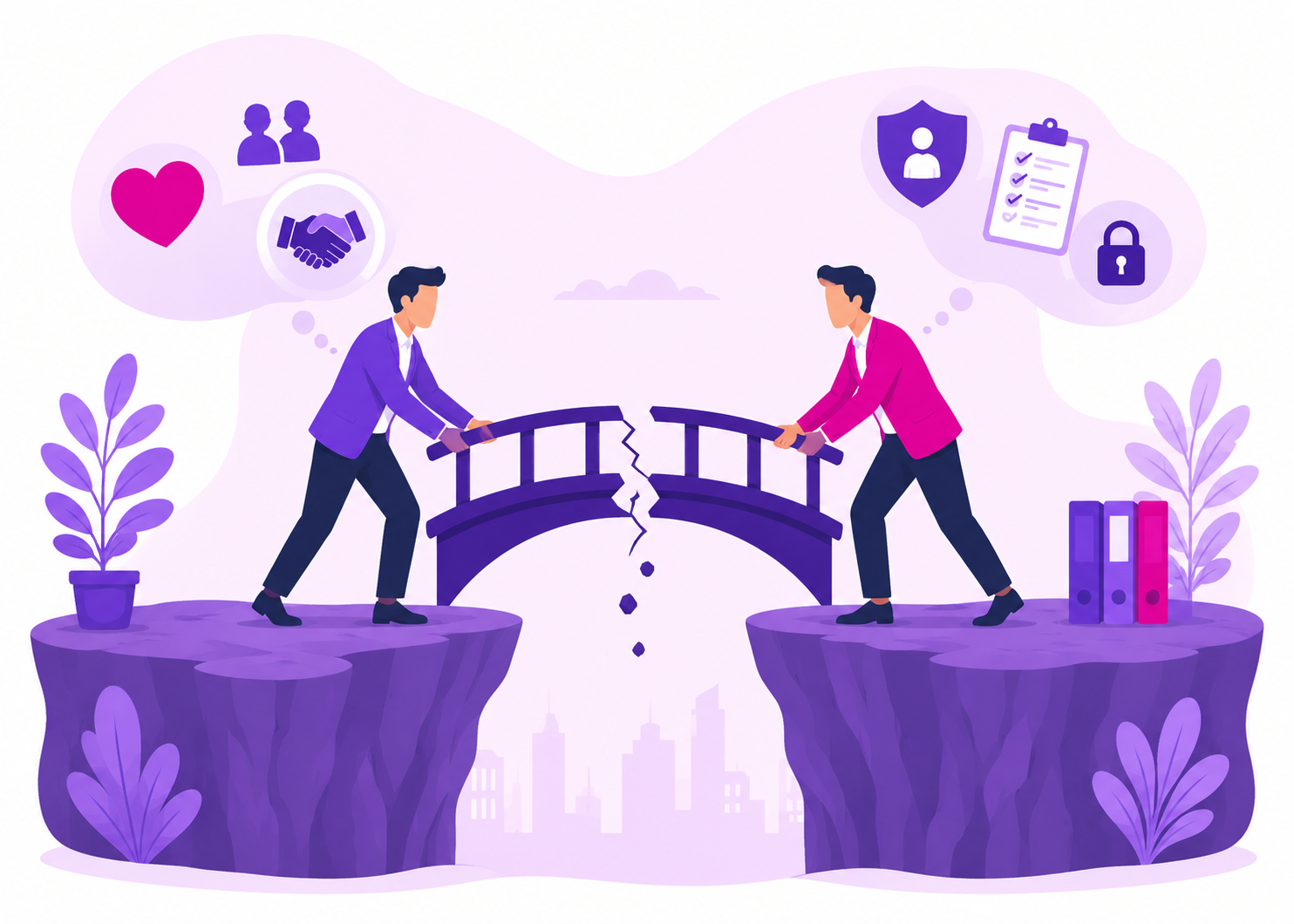
But there was a fundamental problem lurking underneath: they didn’t necessarily see the business in the same way.
Eric viewed the company as an education business with a responsibility to its students. His partner appeared to approach it more as a business investment, without fully understanding the boundaries and expectations that came with working directly with children.
That difference would eventually become impossible to ignore.
The Massage That Changed Everything
The incident that turned the partnership upside down happened during an interaction with three young female students.
Eric’s business partner, who was still working professionally as a massage therapist, offered a massage to the oldest student. The students were high-school and junior-high age.
To the partner, the offer apparently seemed completely innocent. Massage was his profession, and he was accustomed to offering it to people who mentioned physical discomfort. But in the context of an education company—and particularly when the person being offered the massage was a teenage student—the situation was deeply inappropriate.
Eric didn’t find out immediately. When he eventually heard what had happened, he confronted his partner and made it clear that this could not happen again.
The problem was that his partner didn’t initially understand why it was wrong.
He could accept the instruction not to do it, but he hadn’t actually internalized the principle behind the instruction. As Eric explains, that distinction became increasingly important: if someone doesn’t understand why a behavior is inappropriate, there’s always a risk that the same fundamental problem will appear somewhere else.
When “I Didn’t Know” Isn’t Enough
This became the deeper horror story for Eric.
His partner wasn’t necessarily malicious. In fact, Eric repeatedly describes him as a good person who simply lacked the social awareness and experience necessary to understand certain boundaries.
That made the situation harder, not easier.
A bad actor can be identified and removed. But what do you do when someone you trust is genuinely unable to recognize that their behavior is creating a serious problem?
The answer, Eric eventually realized, was that good intentions weren’t enough.
That became even clearer when another student had an uncomfortable experience with the partner. Eric couldn’t make a scheduled session with a 15-year-old student, so he asked his partner to substitute. Later that evening, his partner called and admitted that he thought he had made the student cry. He couldn’t clearly remember what he’d said, and Eric never learned exactly what had happened. The student simply never returned.
For Eric, that was the breaking point.
He had made the decision to send his partner in the first place, which meant he had to accept responsibility for the consequences. If he was ultimately responsible for the students’ experiences, he realized, he needed to be responsible for the people representing the company, too.
The Loose Cannon Problem
One of the most frustrating aspects of the situation was that Eric couldn’t always determine exactly what his partner had done wrong.
That made it difficult to create a process that would prevent the problem from happening again. Instead, he had someone who could potentially make another bad decision without even realizing that he was doing anything wrong—a “loose cannon” that Eric couldn’t comfortably leave in the business.
And that’s where the partnership problem became bigger than the original incident.
Eric could tell his partner, “Don’t do that.”
His partner would agree.
But agreement isn’t the same as understanding.
As Morgan points out during the conversation, people can acknowledge that they’ve done something wrong without actually changing the way they think about it. If the underlying lesson isn’t internalized, the same judgment problem can surface somewhere else.
Eventually, Eric had to make the difficult decision to move his friend out of the company.
The Real Lesson: Shared Vision Matters More Than Friendship
The experience changed the way Eric thought about business partnerships.
He initially came away with a seemingly simple rule: don’t go into business with your friends.
But over time, he realized the lesson was more nuanced.
He eventually had another friend become an important part of the company, and that relationship worked extremely well. The difference wasn’t simply that one person was a friend and the other wasn’t. It was that they shared the same vision, understood the company’s mission, and were committed to the same standards.
That’s the real lesson Eric took from the experience.
You don’t necessarily need identical personalities or identical approaches. But you do need people who agree on what matters.
In an education company, that meant being committed to educating children, understanding appropriate boundaries, and following the rules that protect students and the business.
Without that shared foundation, even a friendship built on years of trust can become a liability.
And sometimes the hardest part of running a business isn’t recognizing that someone made a mistake.
It’s recognizing when the mistake reveals something much deeper about whether the two of you should be in business together at all.
